
Will the All Blacks find their winning form this autumn?

Pursuing what would be just a fifth northern hemisphere clean sweep in their illustrious legacy, the New Zealand side have traveled to Europe at an crucial period.
Fixtures against the Irish team, Scotland, the English squad and Wales await the New Zealand team across the upcoming weeks but, quite aside from the possibility to join the sides of 1978, 2005, 2008 and 2010 in the history books, the fixtures will be used as a measure to assess the improvement of the side under a leader now well established from taking up the reins.
Present Difficulties
Questions over a absence of an distinctive approach, enduring debates over selection and exits from the backroom staff have all contributed to the perception that the best-known side in the sport is currently one in a time of change.
Most significantly, it is the drop in performances from a previous peak set between the global tournaments of the last decade that has led some to suggest that we have moved out of the period of Kiwi superiority.
Recent History
Before their departure for the northern hemisphere, it was announced that in the coming year, in the absence of the southern hemisphere competition, New Zealand will face South Africa in a off-season matches dubbed 'an unprecedented series'.
Historically the sport's top competitors, there is clear agreement over who has recently got the better of what promoters have labeled 'The Premier Rivalry'.
Over the past seven years, the Springboks have claimed a two of global tournaments, three Rugby Championships and a tour against the British and Irish Lions to be regarded as the squad of their generation.
The All Blacks have continued to overcome Ireland when it is crucial, beating their next challengers in the World Cup quarter finals of the past two tournaments. They have, meanwhile, lost just a couple of the past 21 meetings with the English team, have defeated Wales in all matches since over sixty years ago and have always been victorious by Scotland.
Changing Dynamics
But the loss of their position as the rugby's benchmark will persist as an irritation.
Whereas the All Blacks dominated through the last ten years - winning eighty-seven percent of their Test matches, as well as claiming the World Cup on several instances - the global tournament of 2019 can now be seen as when the balance of power changed in the world sport.
New Zealand beat the Springboks in their initial fixture of the championship in the host nation, but it was the Boks' who were ultimately triumphant in the championship match.
After that event, the New Zealand's winning percentage has dropped to 71%. The Springboks themselves were defeated in ten of their subsequent fixtures but, since the start of last year, have achieved victory at a rate (83%) to rival even the former Kiwi champions.
Recent Encounters
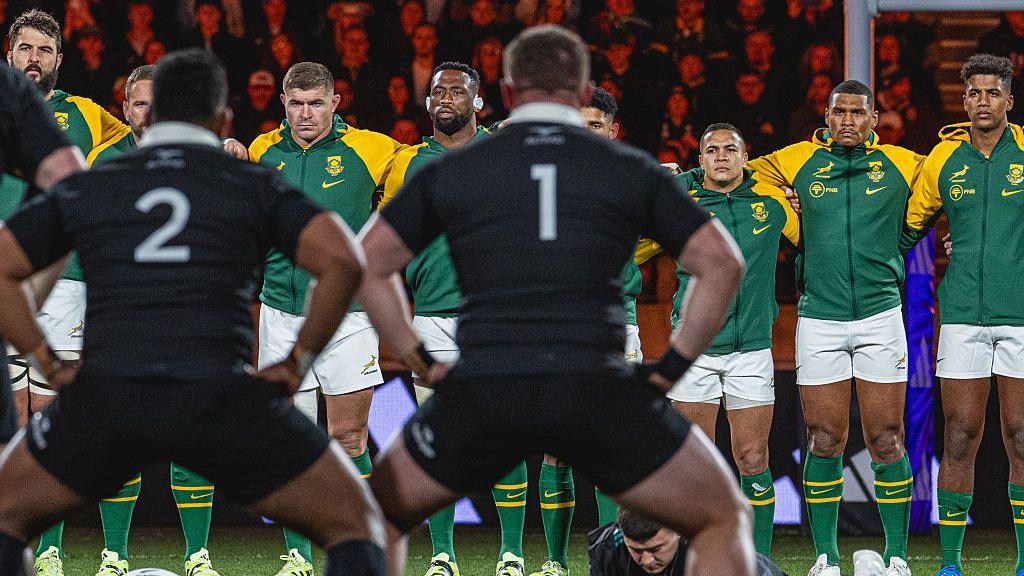
Over the equivalent timeframe, the 'Boks have won the majority of the seven meetings between the teams, including triumph in the latest global tournament decider.
While securing their most recent southern hemisphere crown, Rassie Erasmus' side administered a significant beating on the All Blacks through dominant performance in their home ground, a score which has triggered another round of controversy about the direction of the squad under Robertson.
Perhaps most troubling for supporters of the New Zealand team will be that, combined with their traditional strength, the Springboks' achievement has come with an attacking verve more usually associated with their opposition team.
Team Identity
During the period when the All Blacks were at the zenith of their powers a decade past, they were a clinical transition team able of destroying competitors from all areas of the field and at all times of the match.
Today, their offensive approach is unclear as Robertson, who has handed out numerous first caps during his two years in charge, tries to initially build the basic core elements of a winning team.
It has recently revealed that the assistant coach overseeing offense, the current coach, will depart his position after the upcoming matches, becoming the second member of the coaching staff to exit after Leon MacDonald walked away last year after just five Tests.
Performance Gap
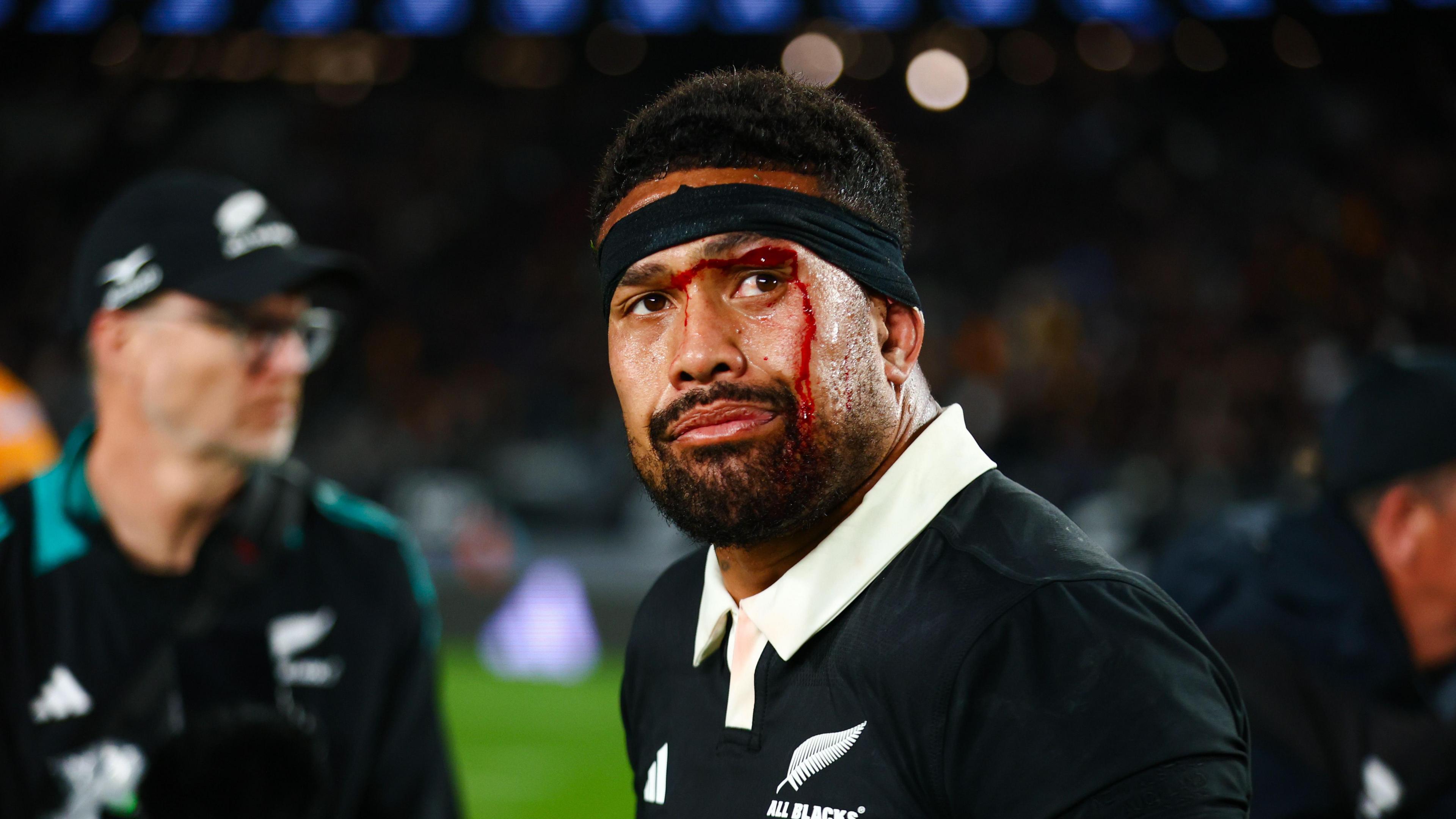
It was not just previous achievements, but his approach, that was expected to translate from Crusaders when he took over after the recent tournament but, so far, each continue to be a continuous improvement.
Organizational Strategy
After financial organization the company invested capital in All Blacks in the past, the ensuing statement spoke of the "pursuit of worldwide growth" for the brand.
That objective has possibly been more challenging by the absence of a crossover star. The current captain and the collection of Barrett brothers continue to be well-known figures in the sport, but the spread of talented players has expanded significantly. Their leader is the single All Black to win international honors in the recent years, in contrast to 10 in over a decade between previous generations.
Worldwide Reach
Instead, efforts have been implemented to transplant the New Zealand team into emerging regions.
The initial stage of this 'Grand Slam' tour brings the All Blacks not to the Irish capital but Chicago, a revisit to the location where the Irish team obtained a historic win in the contest nine years ago.
After the relaxation of pandemic limitations, the New Zealand team have also

